

Plate Carriers: Essential Gear for Protection and Mobility

A plate carrier is a vest built to hold ballistic armor plates over your vital organs while carrying the gear you need within reach. As a core piece of tactical gear, plate carriers have become essential for anyone who needs protection and mobility in high-risk environments. These body armor systems are used across military operations, law enforcement, and civilian defense, providing a versatile way to carry ballistic plates while staying agile and comfortable. This guide covers the plate carrier essentials: how carriers evolved, their components and types, what they are made of, whether you need to customize yours, the best setup for tactical games, and how to care for your gear.
History of Plate Carriers
The history of plate carriers traces back to ancient armor used by warriors, such as leather, metal, and layered cloth, for protection in battle. As warfare advanced, so did the materials and designs of body armor. By the 20th century, breakthroughs in materials science led to the development of ballistic armor, including ceramic, steel, and composite plates capable of stopping bullets and shrapnel. During World War II, flak jackets were introduced to protect against explosive fragments, setting the stage for the modern evolution of protective gear.
Plate carriers, as we know them today, emerged in the late 20th and early 21st centuries to meet the need for lightweight, modular, and customizable armor. They were designed to hold ballistic plates while maintaining mobility and flexibility. Plate carriers became standard issue for the U.S. Army in 2009, when it adopted the Soldier Plate Carrier System (SPCS). Since then, continuous design improvements have led to lighter, more ergonomic carriers with MOLLE webbing for added functionality, making them the standard for military forces worldwide.
Components of a Plate Carrier
A plate carrier is a specialized protective vest designed to hold ballistic plates that protect against bullets and other ballistic threats. These plates are commonly made from ceramic, steel, or composite materials. The key components of a plate carrier system work together to protect you and carry your load.
Front Panel
The front panel of a plate carrier is the vest’s central piece, housing the primary ballistic plate. Positioned to shield vital organs like the heart and lungs, it is crucial for life-saving protection.
Back Panel
The back panel holds a second ballistic plate, providing rear protection to match the front. This dual-panel setup covers the vital organs from both directions during engagements.
Shoulder Straps
Shoulder straps distribute the weight of the plate carrier across your shoulders. Proper adjustment of these straps improves comfort, stability, and motion during use.
MOLLE System
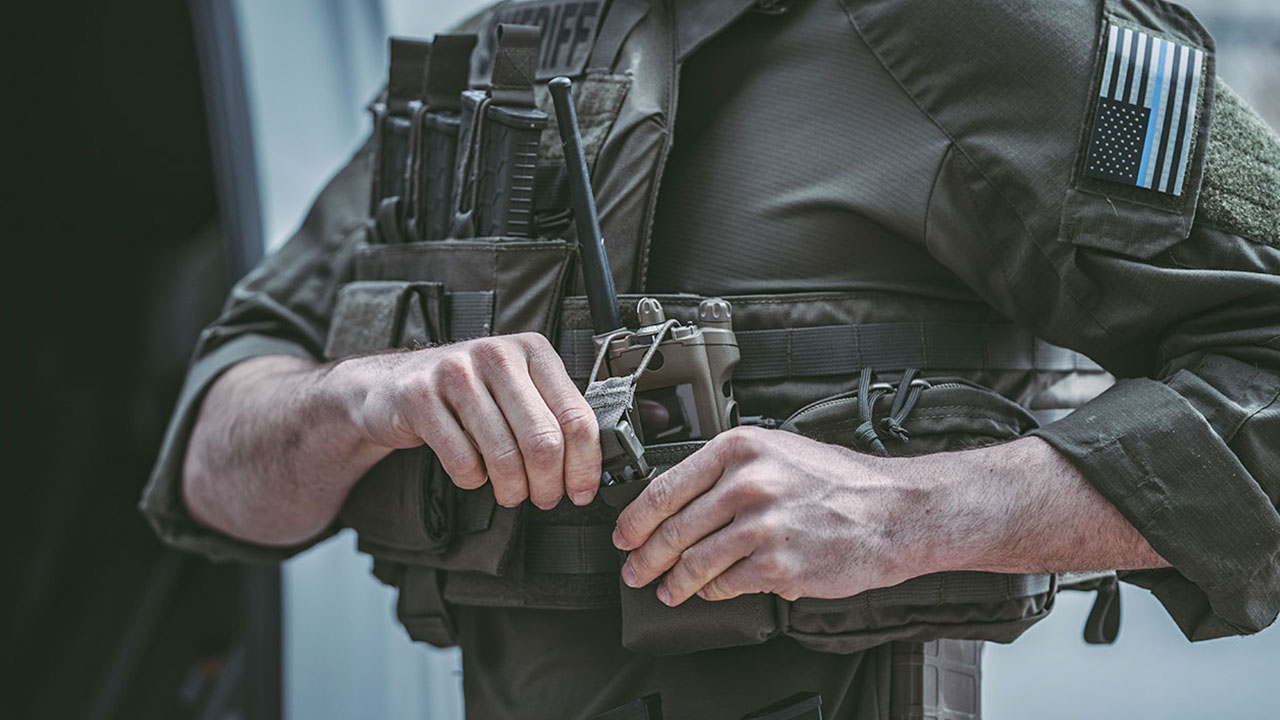
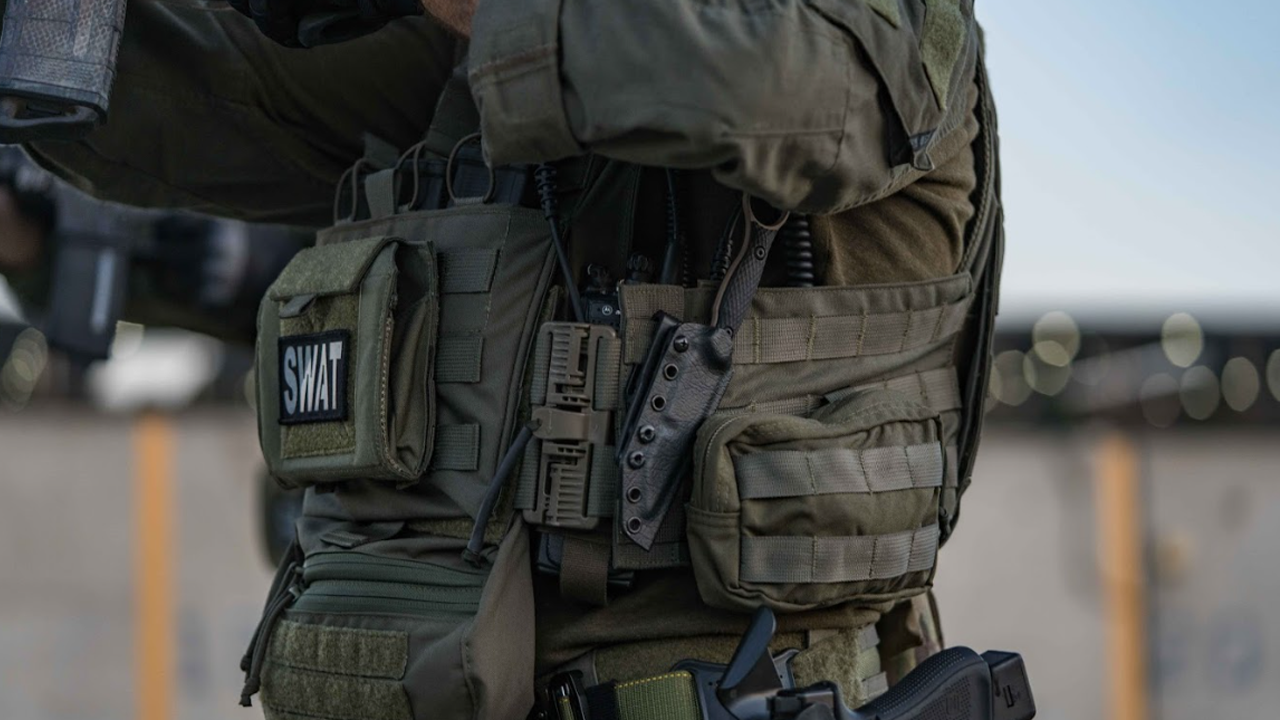
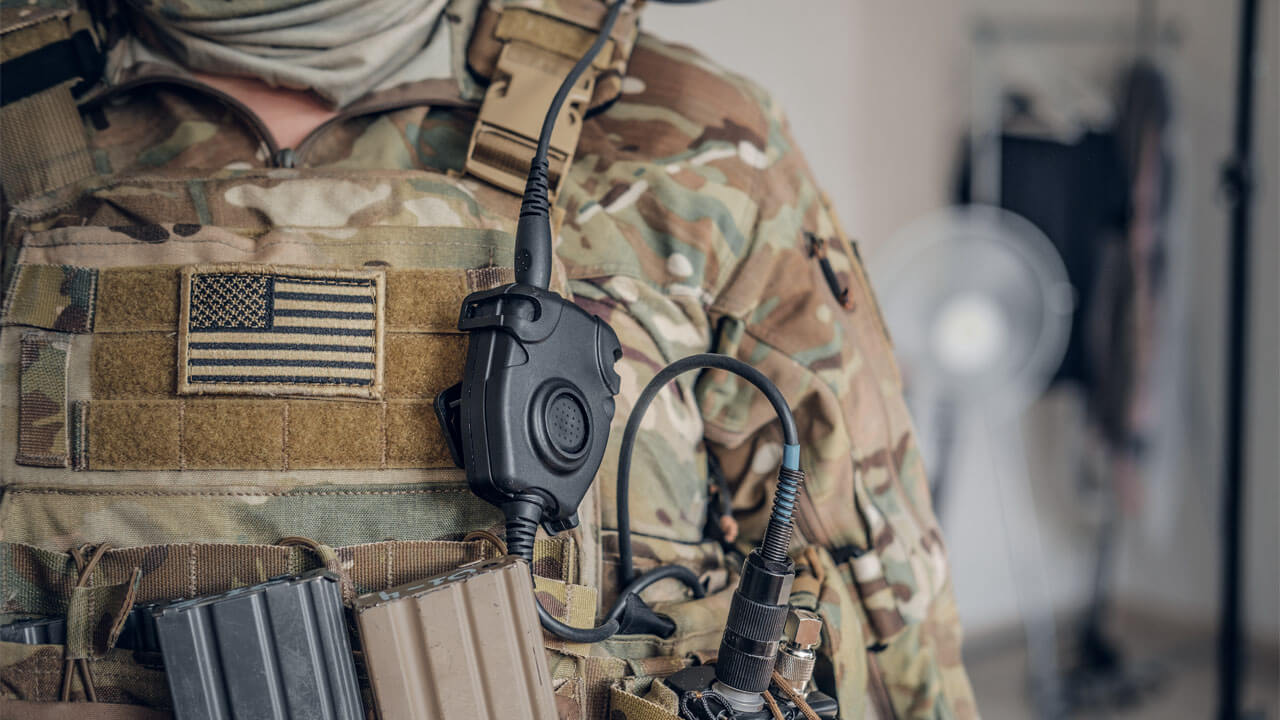
The MOLLE system features webbing and loops that allow the attachment of various pouches and accessories. This system lets you customize your plate carrier with items such as mag pouches, radios, a multitool, or a flashlight.
What Are Plate Carriers Made Of?
A plate carrier has two main parts to consider: the carrier itself and the armor plates inside it. Knowing what each is made of helps you judge weight, durability, and protection.
Carrier Fabric and Webbing
Most carriers are built from durable nylon fabric with nylon webbing for MOLLE attachment. Chase Tactical carriers such as the LOPC and MEAC, for example, are made with Mil-Spec IR treated 500D Cordura. Many carriers also use spacer mesh on the inside for comfort and breathability.
Armor Plates
The carrier itself does not stop bullets. Protection comes from the plates you insert, which are commonly made from ceramic, steel, or polyethylene. Each material balances weight, thickness, and protection differently, so match your plates to the threats you expect and the weight you can carry.
Types of Plate Carriers
Plate carriers come in various forms and are designed to cater to multiple operational needs. Tactical plate carriers emphasize functionality and resilience, concealed plate carriers offer low-profile protection, and modular plate carriers allow extensive customization to accommodate different armor plates and mission requirements. Here are the different types of plate carriers you will see most often.
Concealable Plate Carriers
Concealable plate carriers are ideal for individuals who need protection without drawing attention to themselves. They are designed to be worn discreetly under clothing and offer ballistic protection without sacrificing comfort or mobility. They are popular among security professionals and undercover operatives.
Lightweight Plate Carriers
Lightweight plate carriers are preferred by individuals who prioritize agility and maneuverability. They offer reliable protection while minimizing bulk and weight by using lighter fabrics and a streamlined design, and they pair well with lighter plates such as polyethylene. Special operations forces and emergency response teams favor them.
Modular Plate Carriers
Modular plate carriers combine the versatility of tactical carriers with the streamlined design of concealable models. They feature detachable components, allowing users to adjust their loadout to meet mission requirements quickly. These carriers offer a balance of adaptability and comfort, making them suitable for a wide range of applications.
Full Tactical Plate Carriers
Full tactical carriers are built for overt use, with extensive MOLLE webbing, larger cummerbunds, and room for a full mission loadout. They trade concealment for capacity. Our guide to low profile vs full tactical plate carriers breaks down how to pick between the two styles.
Chase Tactical Plate Carriers Compared
If you are shopping for a Chase Tactical plate carrier, the right model depends on how you plan to wear it. The table below compares four carriers using the specifications listed on each product page.
| Carrier | Weight | Plate Sizes | Best For |
|---|---|---|---|
| Low-Vis Plate Carrier Elite (LVPC-E) | 1.25 lbs | 10″ x 12″ Shooter/Swimmer cut, SAPI S and M | Low visibility and concealment |
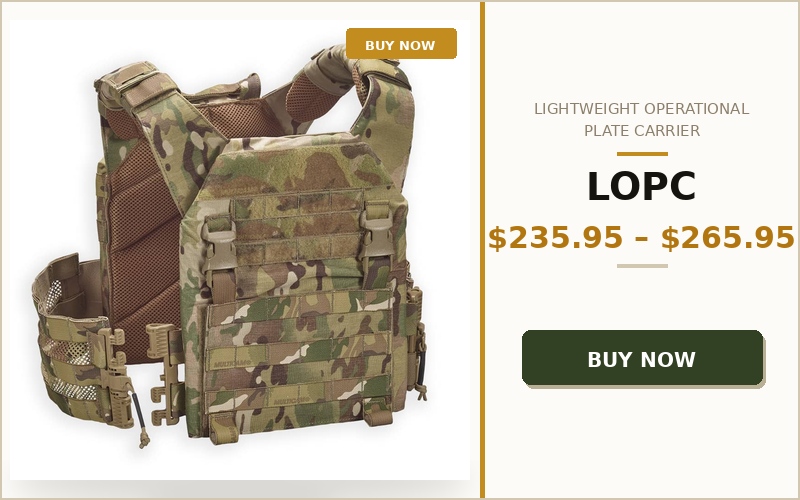
| Lightweight Operational Plate Carrier (LOPC) | 2.00 lbs | 10″ x 12″ Shooter, Swimmer, SAPI S and M | Lightweight everyday and training use |
| Quick Response Plate Carrier (QRC) | 2.5 lbs | Regular 10″ x 12″, X-Large 11″ x 14″ | Rapid response to high-threat incidents |
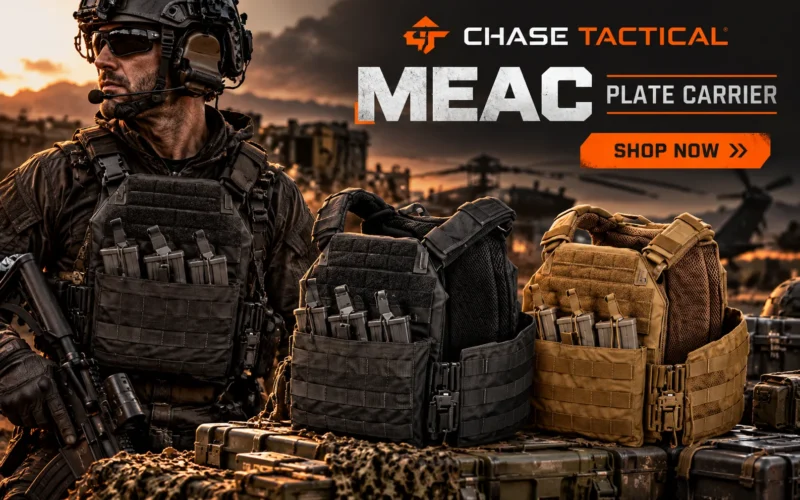
| Modular Enhanced Armor Plate Carrier (MEAC) | 2.5 lbs | Regular 10″ x 12″, XL 11″ x 14″ | Modular setups that change between missions |
All four are made with Mil-Spec IR treated 500D Cordura. The QRC is designed to be put on quickly for active shooter response, entries, and home defense, while the LVPC-E is built around low visibility. The LOPC keeps weight down for long wear, and the MEAC offers the most room to reconfigure pouches.
How to Choose the Right Plate Carrier
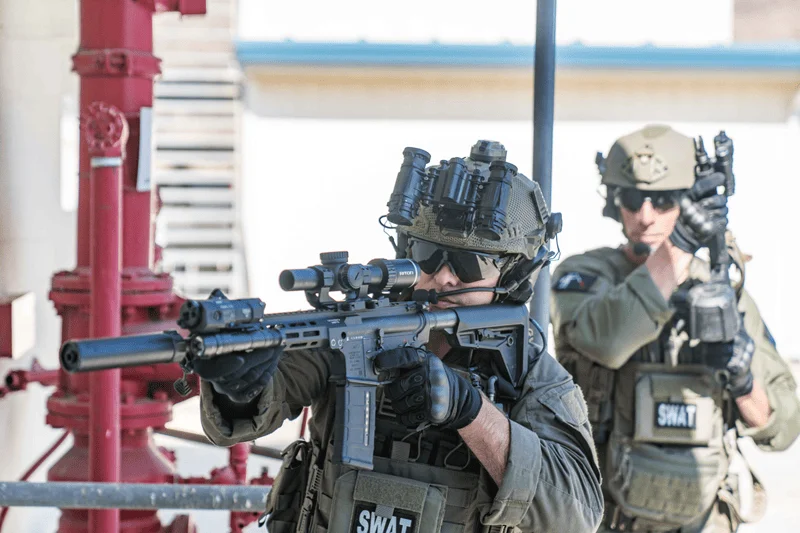
When choosing the appropriate plate carrier, it is vital to assess the following:
Intended Use: Assess the specific capabilities required for your missions, including carrying magazines, a flashlight, and other gear.
Proper Sizing: Ensure a precise fit for optimal protection and comfort, accounting for plate placement and additional pieces. Our guide on how to wear a plate carrier shows where the plates should sit.
Material Durability: Select materials that hold up under harsh conditions, so your plate carrier setup withstands tough environments.
Level of Comfort: Choose a carrier that remains comfortable for extended wear, with well-designed shoulder straps and weight distribution.
Customization Options: Look for a MOLLE system to attach pouches for tourniquets, bandages, and radios.
Compatibility: Ensure compatibility with other gear, such as chest rigs, belts, and vests, for a cohesive setup.
If this is your first carrier, our guide to choosing a plate carrier for beginners walks through these factors step by step.
Buying Your First Plate Carrier: Mistakes to Avoid
A first plate carrier is easy to get wrong, and most mistakes come from treating the carrier as the whole system. Avoid these common errors when you buy and set up your first carrier.
- Buying a carrier without plates: The carrier holds armor but does not stop rounds on its own. Budget for plates from the start.
- Mismatching plate and carrier sizes: Carriers are sized to specific plates, such as 10″ x 12″ or 11″ x 14″. Confirm your plate size and cut before ordering.
- Wearing plates too low: The front plate should cover the upper chest and vital organs, not sit over the stomach.
- Overloading the front: Too many pouches add weight, slow you down, and make it harder to get prone.
- Skipping medical gear: A tourniquet and IFAK belong on the carrier before extra magazines or gadgets.
Does My Plate Carrier Need to Be Customized?
No, a plate carrier does not have to be customized to do its main job. A carrier with properly fitted front and back plates already provides protection. Customization matters when you need the carrier to hold your working gear, and how far you go depends on your role and mission.
When a Basic Setup Is Enough
For home defense, short training sessions, or a vehicle bag carrier, many users keep things simple: plates, a few magazine pouches, and a trauma kit. A lighter carrier with fewer attachments stays comfortable and quick to put on.
When Customization Pays Off
Patrol officers, soldiers, and competitors who wear their carriers for hours usually add pouches for magazines, medical gear, a radio, and hydration. Placing each item where your hands naturally reach makes the carrier faster to use under stress. Our step-by-step guide on how to set up a plate carrier covers placement in detail.
Plate Carrier Essentials Checklist
- Armor plates: Front and back plates sized to fit the carrier.
- Magazine pouches: Enough ammunition for your role, placed for a fast reload.
- Medical kit: An IFAK and tourniquet you can reach with either hand.
- Communication: A radio pouch if you work with a team.
- Hydration: A hydration pouch or bladder for longer wear.
For more ideas on what to add next, see our list of essential gear to pair with a plate carrier.
Best Plate Carrier for Tactical Games
Tactical games combine shooting with running, climbing, and carrying, so a plate carrier for tactical games has to stay comfortable and stable while you move fast. Look for a carrier that keeps weight low, fits snugly without shifting, and puts magazines where you can grab them quickly. Check your event’s rules on plates and required gear before you build your setup.
A lightweight carrier suits competitors who want to stay fast. The Lightweight Operational Plate Carrier (LOPC) weighs 2.00 lbs and fits 10″ x 12″ Shooter, Swimmer, and SAPI S and M plates. If you want more room to configure pouches between events, the Modular Enhanced Armor Plate Carrier (MEAC) weighs 2.5 lbs, comes in Regular and XL sizes for 10″ x 12″ and 11″ x 14″ plates, and uses spacer mesh for breathability.
How to Set Up a Plate Carrier for Tactical Games
Once you have picked a carrier, the setup decides how well it performs over a long day of stages. A tactical games plate carrier setup should stay light, balanced, and simple to work with under fatigue.
- Start with the event rules. Confirm whether plates are required and what minimum gear you must carry.
- Keep magazines in front. Place rifle magazine pouches where your support hand reaches them without looking.
- Put medical gear where both hands can reach. A tourniquet and IFAK should be accessible with either hand.
- Add hydration for long events. A hydration pouch on the back keeps water available between stages.
- Cut what you do not need. Every extra pouch adds weight you will carry through runs, climbs, and carries.
- Train in the full setup. Run, go prone, and shoot in the carrier before the event to find hot spots and shifting gear.
Benefits of Using Plate Carriers
The advantages of employing plate carriers are numerous, including:
Vital Organ Protection: With the right plates installed, a carrier helps protect vital organs against ballistic threats in critical situations.
Enhanced Mobility: Offers greater mobility than traditional armor, enabling better movement and actions.
Customization: Allows personalized tactical gear setups, such as mag pouches, radios, gloves, a knife, and a multi-tool.
Weight Distribution: Shoulder straps help evenly distribute the weight, reducing fatigue and improving endurance.
Quick Access: Provides access to essential items such as magazines, a flashlight, and medical supplies.
Versatility: Adaptable to different missions and environments, offering flexibility in how you arrange and use your gear.
Improved Navigation: Pouches let you keep a compass, map, or GPS close at hand for better location tracking and navigation.
Increased Efficiency: Streamlines equipment organization, making gear easier to locate and use during high-pressure situations.
Plate Carrier Accessories
An array of plate carrier accessories can markedly improve the gear’s functionality. These add-ons range from pouches for extra storage and hydration systems essential for long missions to additional armor plates for increased protection. Some popular accessories that can be attached to a plate carrier include:
- Magazine pouches, also known as ammo pouches, are perhaps the most obvious type and allow convenient access to extra ammunition.
- Utility pouches carry miscellaneous items, such as first-aid kits, multitools, and communication devices.
- Admin pouches: Ideal for storing small tools, pens, notebooks, or other administrative items.
- Holsters: Provide a secure attachment point for sidearms.
- Hydration carriers: Enable the wearer to carry water or hydration systems for extended periods.
- Medical pouches: Designed to hold medical supplies and equipment for emergencies.
- MOLLE-compatible gear: The Modular Lightweight Load-carrying Equipment (MOLLE) system allows for various attachments, such as patches, lights, or carabiners.
- Radio pouches provide secure storage and easy access to communication devices.
- Grenade pouches: Provide storage for grenades or similarly sized items.
- Armor plates: Additional plate carrier plates can be inserted to increase protection. Remember, the carrier itself does not offer ballistic protection. You need armor plates in the carrier.
These accessories improve the functionality and versatility of a plate carrier, catering to different mission requirements and personal preferences. For our top picks by category, see the best plate carrier accessories guide.
Plate Carriers in Law Enforcement
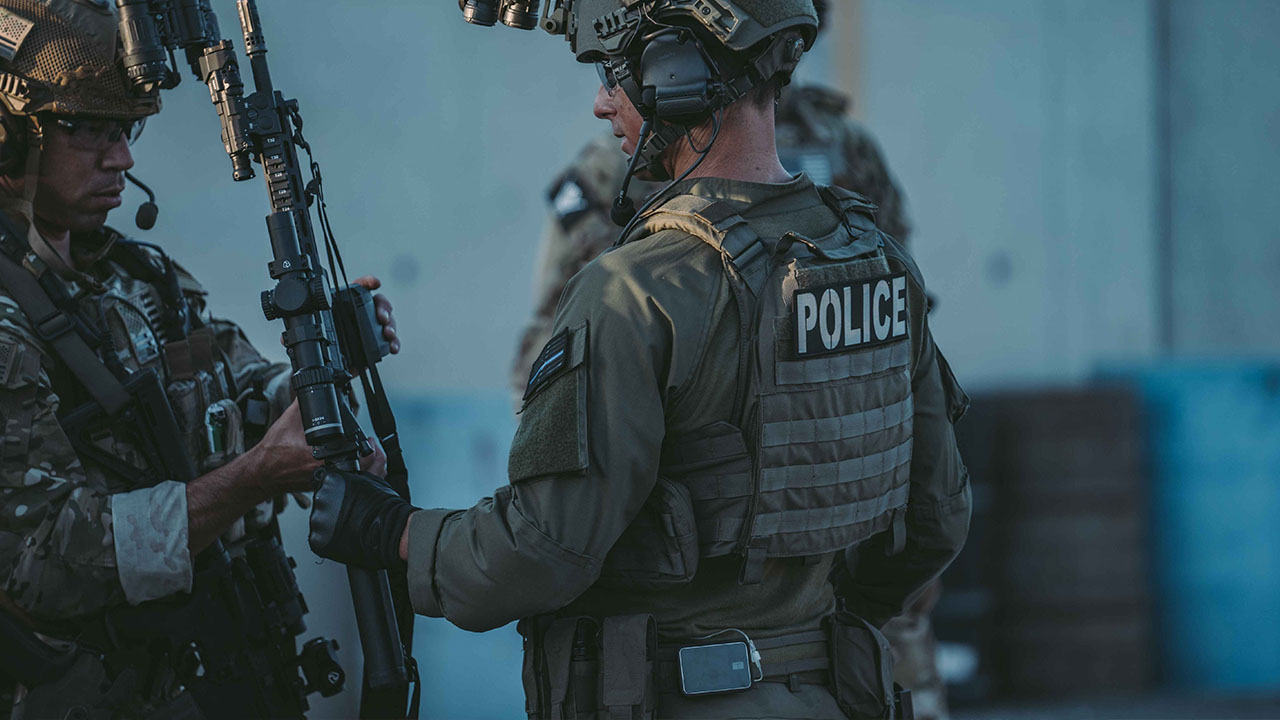
Plate carriers are a vital element of law enforcement gear. Law enforcement agencies use them to improve officer safety in high-risk operations. These carriers are built for essential protection while keeping officers agile and maneuverable in urban environments.
Plate Carriers in Civilian Use
Civilian plate carriers serve as multifunctional tools for personal defense and are also adaptable for outdoor activities like hiking and hunting. They provide personal security for those committed to being proactive in diverse environments.
Maintenance and Care of Plate Carriers
Diligent plate carrier maintenance is crucial for ensuring longevity and functionality. This includes regular cleaning, detailed inspection for wear or damage, and proper storage during periods of inactivity. Here are some tips for plate carrier owners:
- Regular inspection: Inspect the plate carrier for any wear, damage, or loose stitching. Pay attention to areas of high stress, such as attachment points and seams.
- Cleaning: Follow the manufacturer’s instructions for cleaning the plate carrier. Typically, it can be wiped down with a damp cloth and mild soap to remove dirt, sweat, and other contaminants. Allow it to air dry thoroughly before storing.
- Storage: Store the plate carrier in a cool, dry place away from direct sunlight and moisture. Avoid folding or compressing the carrier for extended periods, as this can cause deformation or creasing.
- Avoid harsh chemicals: Do not expose the plate carrier to harsh chemicals, solvents, or abrasives, as these can damage the fabric, webbing, or coatings.
- Remove ballistic plates: If possible, remove the ballistic plates from the carrier before cleaning to prevent moisture buildup and ensure the carrier’s interior is thoroughly cleaned.
Bottom Line
Plate carriers, pivotal for protection and mobility, are indispensable for individuals operating in high-risk environments. As designs continue to improve, these plate carrier systems let users face potential threats with greater agility and comfort.
Start with the essentials: the right carrier type, properly sized plates, and only the gear your role demands. If you need one of the best plate carriers today, shop Chase Tactical’s plate carriers or call us for a one-on-one shopping experience.
Frequently Asked Questions
What is a plate carrier?
A plate carrier is a vest designed to hold front and back ballistic armor plates over your vital organs. It also uses MOLLE webbing or other attachment points so you can carry pouches for magazines, medical gear, and radios.
What is the best plate carrier for tactical games?
The best plate carrier for tactical games should provide a balance of comfort, mobility, and protection. Look for models with adjustable straps, adequate MOLLE webbing for tactical vest accessories, and a lightweight design for improved movement.
Does my plate carrier need to be customized?
No. A carrier with properly fitted plates already provides protection. Customize it only as far as your role requires, such as adding magazine pouches, a medical kit, a radio, or hydration for longer wear.
What should a full plate carrier setup include?
A plate carrier full setup typically includes the carrier vest itself, ballistic plates, pouches for magazines, first aid kits, and military carabiners for securing additional gear. Consider adding tactical vest accessories, such as hydration packs or extra pouches for storage.
How do I set up my plate carrier for military use?
A US Army plate carrier setup typically involves placing the front and back plates for optimal protection, then adjusting the straps for a snug fit. Attach pouches for ammo, grenades, and a radio, and use military carabiners for gear attachment.
What are the essential components of a plate carrier?
Plate carrier essentials include a robust carrier vest, the right-sized ballistic plates, adjustable straps, and pouches for gear. Consider adding a CAG plate carrier setup with MOLLE attachments for customization and added functionality.
What are plate carriers made of?
Most carriers are made from durable nylon fabric, such as Cordura, with nylon webbing for MOLLE attachments. The armor plates inside are typically ceramic, steel, or polyethylene.
What are the best plates for a plate carrier?
The best plates for plate carriers are those that balance weight and protection. Ceramic or steel plates offer excellent ballistic protection, while lighter options like polyethylene plates may provide mobility without sacrificing too much security.
When did plate carriers become standard issue?
Plate carriers became standard issue for the U.S. Army in 2009 with the adoption of the Soldier Plate Carrier System (SPCS). Since then, they have become a standard piece of equipment for military forces worldwide.
What is the role of a plate carrier in different scenarios?
Plate carriers serve a vital role by providing protection and load-bearing capabilities during military, law enforcement, and tactical operations. The configuration can be adjusted based on mission requirements, with factors such as torso size, rifle placement, and access to first-aid kits (IFAK) influencing the carrier’s setup.
What is the best Chase Tactical plate carrier?
It depends on your use. The LVPC-E is built for low visibility, the LOPC keeps weight down, the QRC is designed for rapid response, and the MEAC offers the most modular setup.
What size plates fit a plate carrier?
Most carriers are built for 10″ x 12″ plates in Shooter, Swimmer, or SAPI S and M cuts, and some models also come in an XL size for 11″ x 14″ plates. Always match the carrier size to your plates.
How should I set up a plate carrier for tactical games?
Check the event rules first, then keep magazines in front, medical gear reachable with either hand, and hydration on the back. Remove anything you do not need and train in the full setup before the event.